Project GentleGait

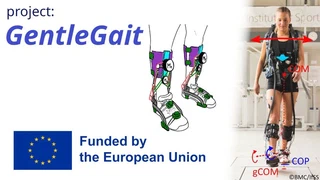
GentleGait: Multiplanar Exoskeleton for Enhanced Elderly Stability
TL;DR: GentleGait studies how side-to-side balance helps older adults walk safely and investigates whether intelligent ankle support could reduce the risk of falls.
Falls are one of the leading causes of injury and loss of independence among older adults. Even a single fall can have a major impact on mobility, confidence, and quality of life.
When we think about walking, we often focus on moving forward. However, staying upright also requires continuous control of our balance from side to side. Research suggests that difficulties maintaining this side-to-side balance may contribute significantly to falls, yet this aspect of walking remains less understood than forward movement.
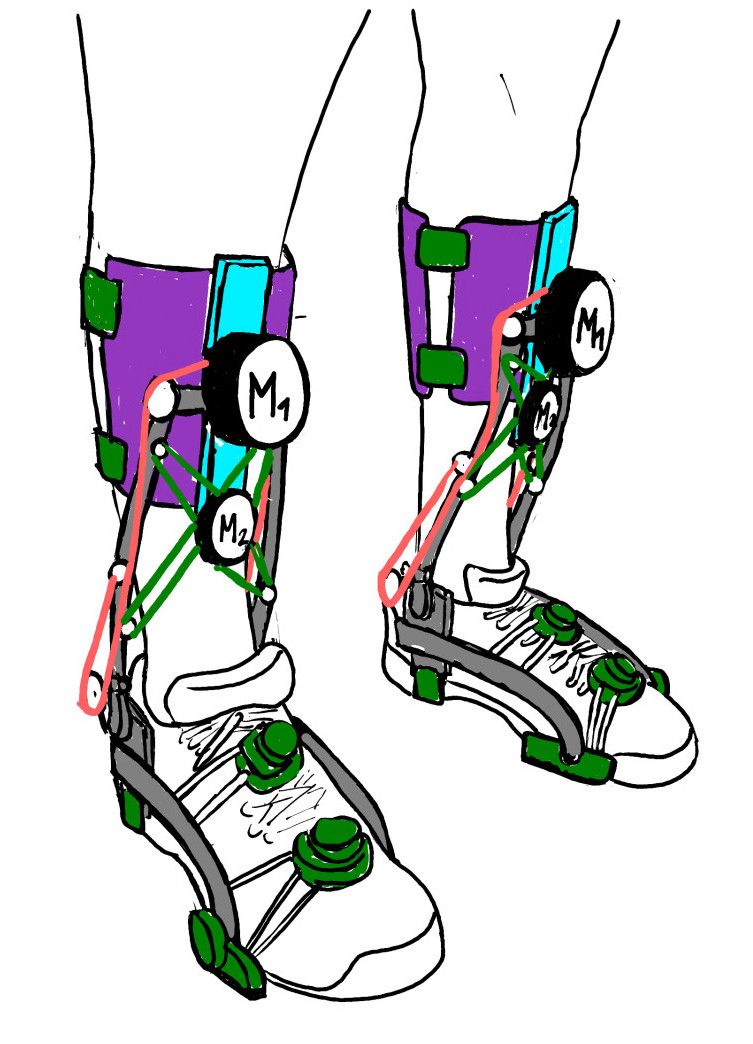
GentleGait is a research project that aims to better understand the role of side-to-side balance during walking in older adults and explore whether wearable ankle assistance could help improve stability.
To investigate this, the project combines biomechanics, robotics, and human movement science. A lightweight ankle exoskeleton is being developed as a research platform that can provide carefully controlled assistance while people walk. By studying how individuals respond to this support, the project seeks to gain new insights into the mechanisms that help maintain balance and reduce fall risk.
Research Objectives
1. Understanding Side-to-Side Balance
Investigate how older adults maintain balance while walking and identify the factors that contribute to instability and falls.
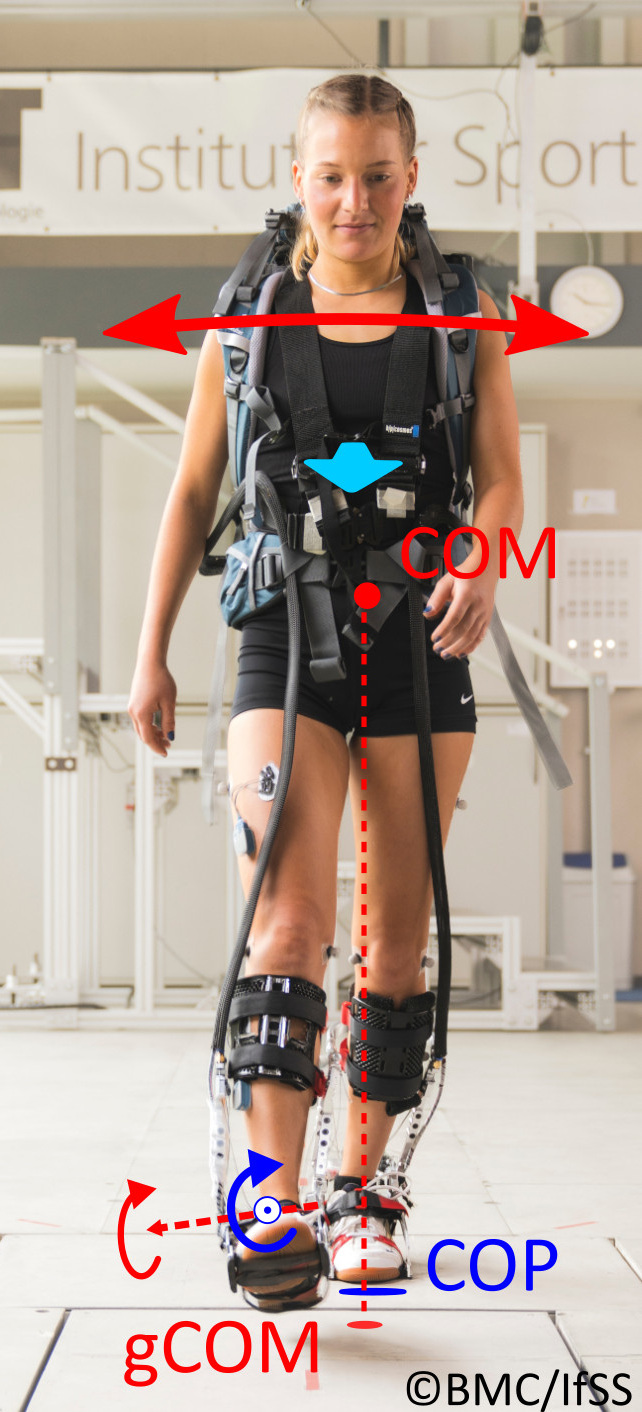
2. Exploring Assistive Ankle Support
Develop and evaluate a wearable ankle device capable of providing assistance in both the forward-backward and side-to-side directions. The goal is not only to assist movement but also to understand how targeted support influences balance.
3. Evaluating Effects on Walking and Stability
Examine how ankle assistance affects balance, walking patterns, physical effort, and user experience through experimental studies involving older adults.
Why Does This Matter?
Most wearable walking-assistance devices focus primarily on helping users move forward more efficiently. However, many falls occur because people lose balance sideways. Understanding how side-to-side stability works and how it can be supported could lead to new approaches for preventing falls and promoting independent mobility.
By improving our understanding of human balance and investigating innovative assistive technologies, GentleGait aims to contribute to safer mobility and healthier ageing.
Why I’m Interested in This Topic
Maintaining mobility is essential for independence and quality of life as we age. Through GentleGait, I aim to better understand how humans maintain balance while walking and explore how wearable technologies could help reduce the risk of falls in everyday life.
By combining biomechanics, robotics, and human movement science, I hope to contribute to technologies that enable older adults to remain active, confident, and independent for longer.
Project Information
- Project: GentleGait (Grant Agreement No. 101268801)
- Duration: June 2026 – May 2028
- Funding: European Union Horizon Europe Programme (Marie Skłodowska-Curie Actions)

Media Credits
